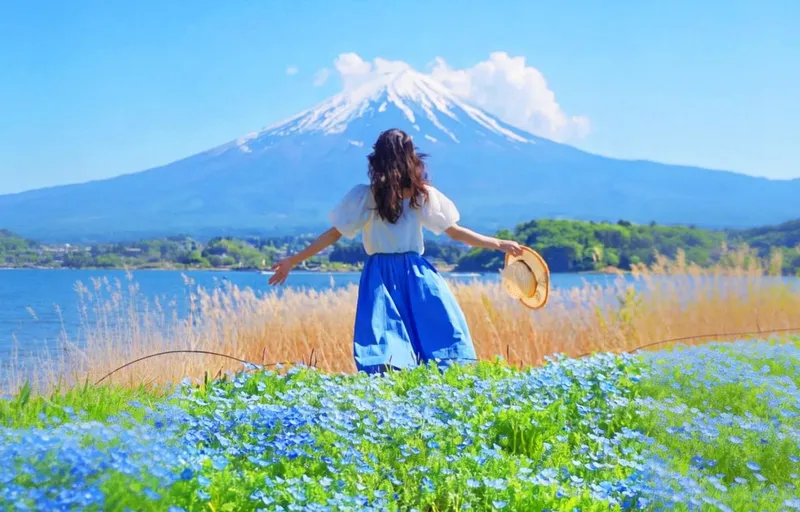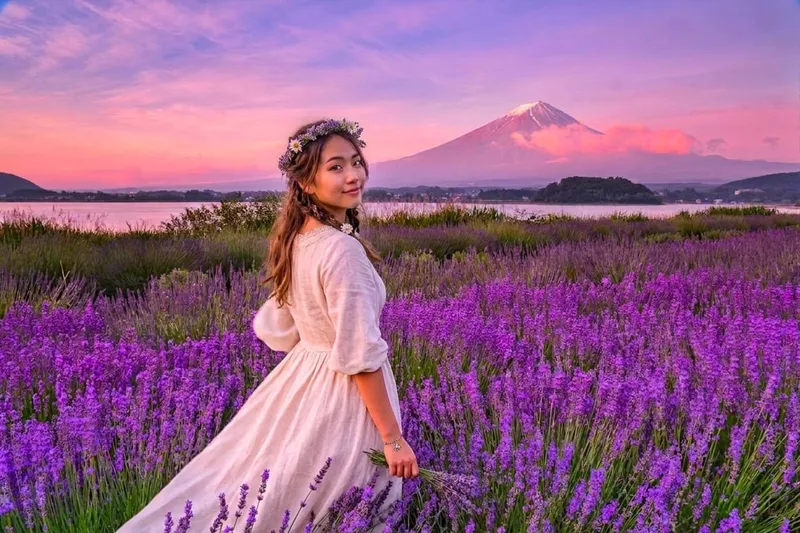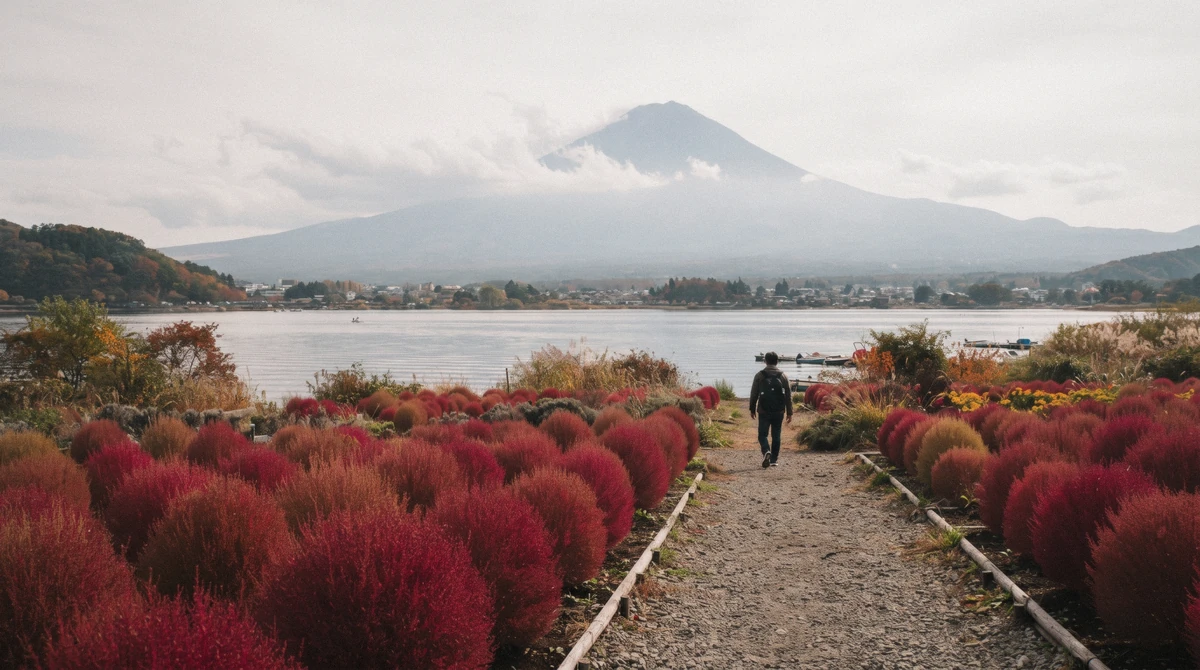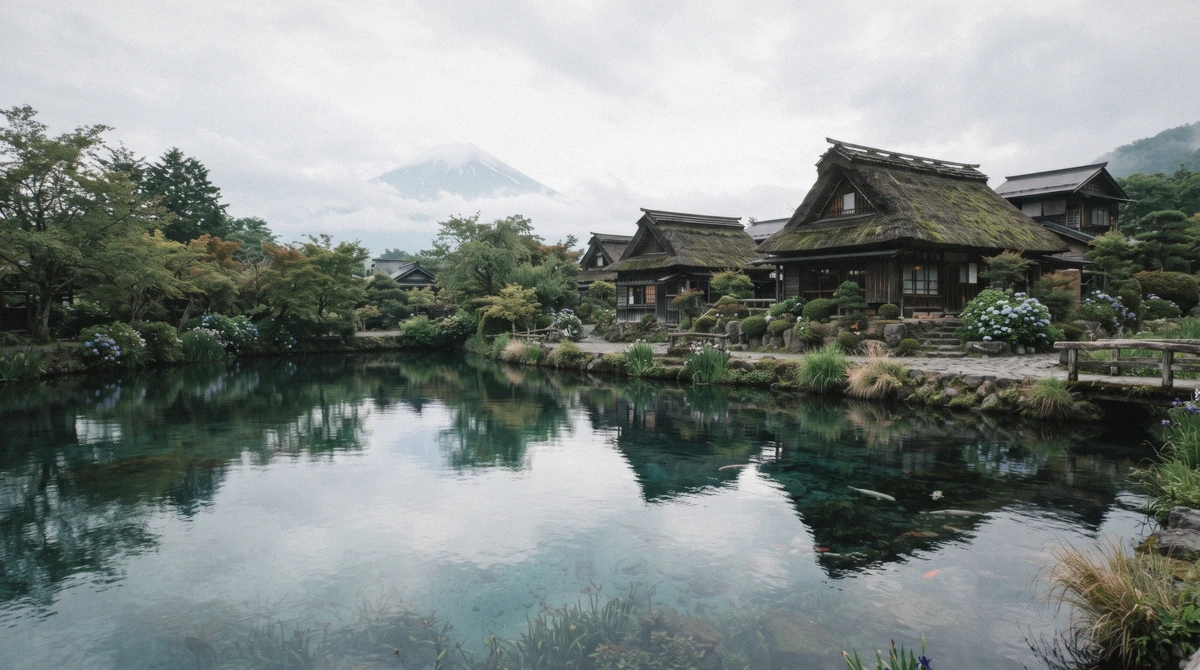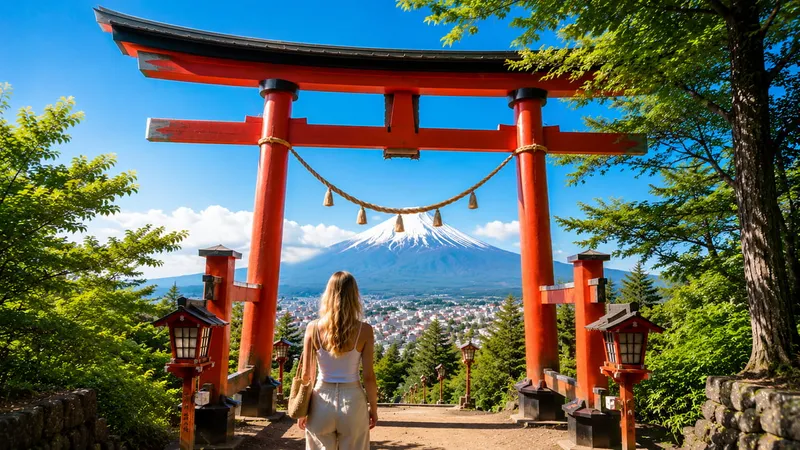
from $57 Mt. Fuji Six-Spot Highlights Day Trip from Tokyo
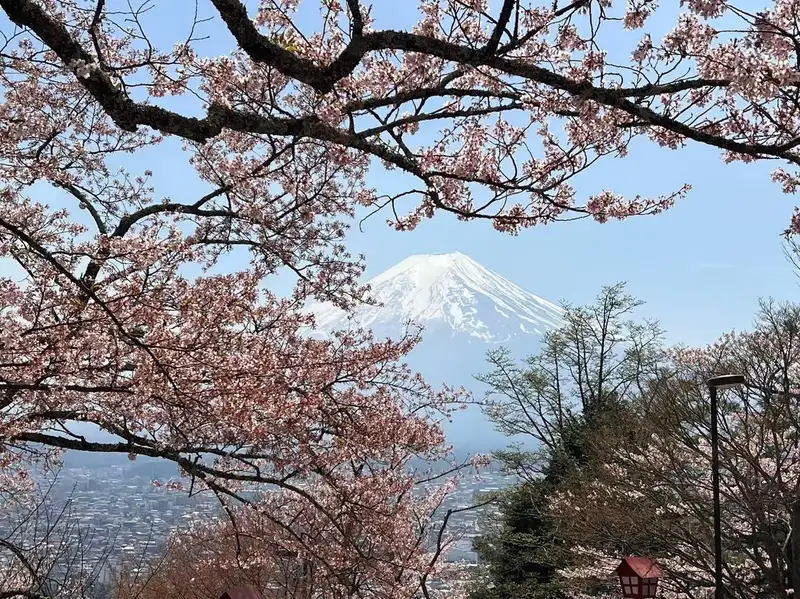
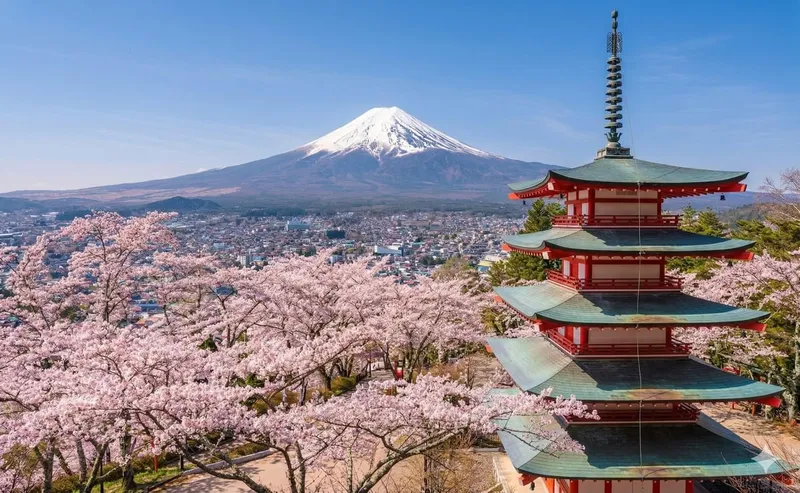
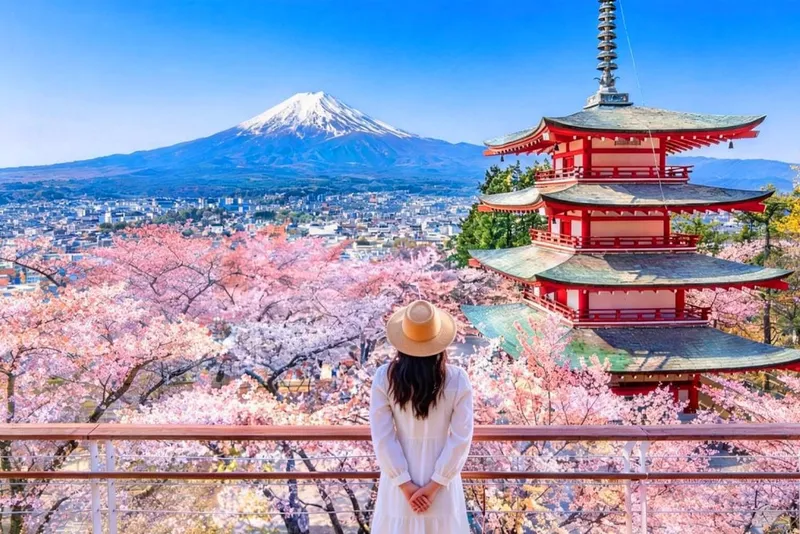
- Chureito Pagoda viewpoint
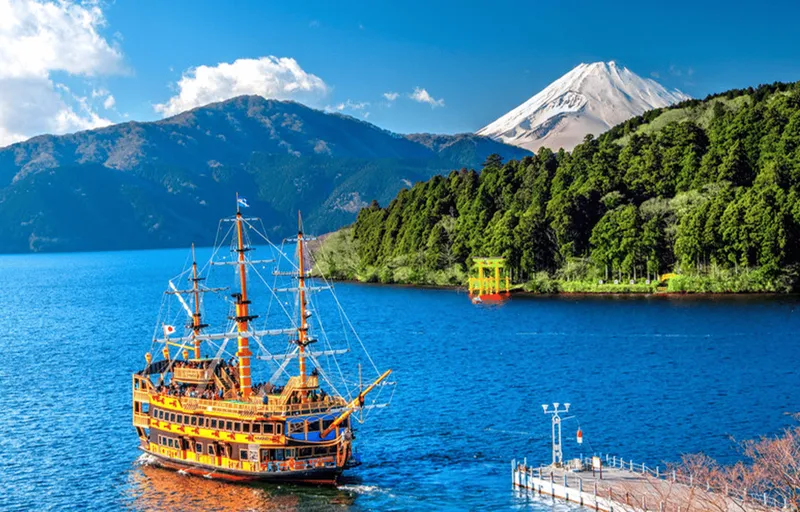
- Lake Kawaguchi shoreline
- Oshino Hakkai spring ponds
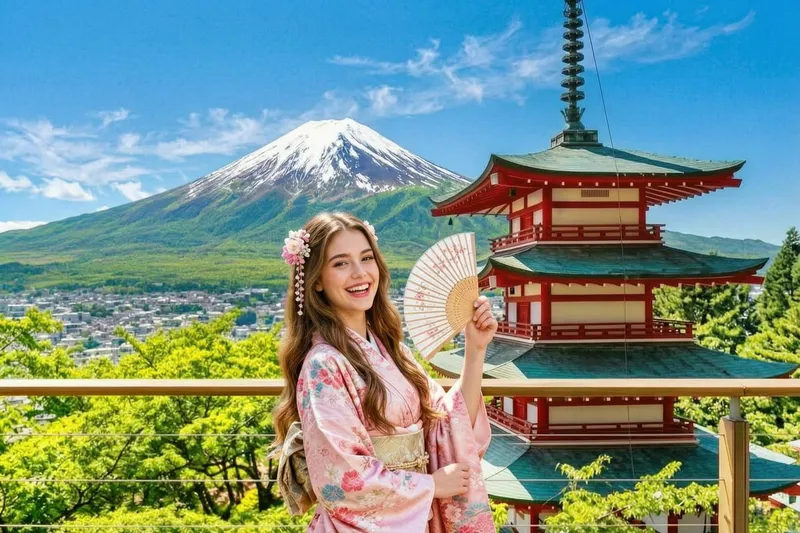
Every Fuji Five Lakes tour in one place — glide along Lake Kawaguchi, climb to the Chureito Pagoda, and wander the spring ponds of Oshino Hakkai. Compare each day trip and book with free cancellation.
A fuji five lakes tour is the simplest way to trade Tokyo's crowds for Mount Fuji's clearest views in a single day. The Fujigoko region — Lakes Kawaguchi, Yamanaka, Sai, Shoji and Motosu — spreads around the mountain's northern base, linking postcard sights like the Chureito Pagoda, the spring-fed ponds of Oshino Hakkai and the panoramic 5th Station. Below you can compare each day trip side by side: what it covers, how long it runs, what it costs and how travellers rate it.
Best value Most popular day trip
A full-day loop hitting six classic Fuji Five Lakes viewpoints, from Arakurayama's Chureito Pagoda to the spring-fed ponds of Oshino Hakkai. Round-trip transport from Tokyo keeps the day easy while covering the region's best photo stops.
Real-time dates and prices for the six-spot highlights day trip — the most-booked way to see the Fuji Five Lakes in a single day.
Every tour below runs round-trip from Tokyo with a licensed guide and free cancellation. Pick by the sights that matter most to you — lake views, the Chureito Pagoda, Oshino Hakkai, Hakone, or the high-altitude 5th Station.
from $57
from $80
from $46
from $74
from $80
from $60
from $84
from $99
from $81 | Tour | Price | Rating | Book | Duration | Best for |
|---|---|---|---|---|---|
| Six-Spot Highlights | $57 | 4.9 ★ | Check | 10 hrs | Best value all-rounder |
| Kawaguchi & Oishi Park | $80 | 4.8 ★ | Check | 10 hrs | Lake & pagoda photos |
| Small-Group Shrine & Steak | $46 | 5.0 ★ | Check | 10 hrs | Small groups + lunch |
| Fuji & Hakone Combo | $74 | 4.7 ★ | Check | 10 hrs | Fuji + Hakone in one day |
| Highlights + Gotemba | $80 | 4.5 ★ | Check | 10 hrs | Sights + outlet shopping |
| 5th Station & Onsen | $60 | 4.5 ★ | Check | 10 hrs | 5th Station + hot spring |
| Photography Top Five | $84 | 4.6 ★ | Check | 10 hrs | Photographers |
| 5th Station & Ropeway | $99 | 4.5 ★ | Check | 10 hrs | High viewpoints |
| Chureito Culture | $81 | 4.8 ★ | Check | 10 hrs | Culture & scenery |
Most day tours from Tokyo centre on Lake Kawaguchi — it has the best transport links, the widest choice of viewpoints and the famous Oishi Park flower beds. The other four lakes trade convenience for quiet. Unless a tour says otherwise, assume Kawaguchi is your base and treat any Yamanaka, Sai, Shoji or Motosu stop as a bonus.
| Lake | Known for | Best for |
|---|---|---|
| Kawaguchi | Most accessible; Oishi Park, ropeway, Chureito nearby | First-timers and photos |
| Yamanaka | Largest and highest lake, wide open Fuji views | Big skies and space |
| Sai (Saiko) | Edge of Aokigahara forest, fewer crowds | Quiet nature stops |
| Shoji | Smallest and calmest; 'Upside-down Fuji' reflection | Reflections and solitude |
| Motosu | The view printed on the 1,000-yen note | Classic postcard shot |
Fuji is famously shy in summer, when haze hides the peak for days at a time. The clearest, driest air runs from late autumn through early spring. If a sharp view of the mountain is your priority, aim for November to April and start early — the summit most often clouds over by midday.
| Season | Months | What you'll see | Fuji visibility |
|---|---|---|---|
| Spring | Mar–May | Cherry blossom at Chureito (mid-Apr) | Good |
| Summer | Jun–Aug | Lavender at Oishi Park; open 5th Station | Hazy |
| Autumn | Sep–Nov | Red kochia and maple foliage | Very good |
| Winter | Dec–Feb | Snow-capped peak, crisp air | Best (5th Station road often closed) |
A typical tour leaves central Tokyo (often Shinjuku) around 08:00–09:00, reaches the lakes in about two hours, and links three to five sights before returning by early evening. Coach tours cover more ground; small-group vans move faster between stops and linger longer at each.
The Subaru Line 5th Station sits at 2,300 metres and gives you an above-the-clouds view, but the access road closes for winter and in bad weather. If your tour lists the 5th Station and you travel between roughly December and April, check that the stop is guaranteed — many operators swap in a lake viewpoint when the road is shut.
The lakes sit far higher and cooler than Tokyo, and the 5th Station can be cold even in summer.
See every Fuji Five Lakes day trip side by side — sights, duration, price and traveller ratings — instead of opening a dozen tabs.
We list licensed operators with real, recent reviews. Ratings and prices come straight from the booking platform, so what you see is what you pay.
Fuji hides behind cloud on short notice. Almost every tour here can be cancelled free up to 24 hours ahead, so a grey forecast never costs you.
The Fuji Five Lakes, or Fujigoko, are five lakes — Kawaguchi, Yamanaka, Sai, Shoji and Motosu — that ring the northern base of Mount Fuji. Formed by old lava flows, they are among the best places to see and photograph the mountain, and most day tours from Tokyo focus on Lake Kawaguchi and its surrounding sights.
First-timers usually do best on a full-day tour built around Lake Kawaguchi that also covers the Chureito Pagoda and Oshino Hakkai. The best-value six-spot loop covers the headline sights with round-trip transport from Tokyo, while a relaxed highlights day with outlet shopping suits an unhurried pace. If you want the mountain itself up close, add a Mt. Fuji 5th Station tour instead — but only outside winter, when the road is open.
Most tours run about 10 hours door to door. Expect roughly two hours of driving each way, leaving five to six hours in the region to visit three to five sights.
Late autumn through early spring — November to April — gives the clearest, driest air and the sharpest views of the peak. Summer is often too hazy to see the mountain well. Whatever the season, mornings are more reliable than afternoons, when cloud tends to build around the summit.
Yes, though the angle and setting differ at each. Kawaguchi and Yamanaka offer the widest, most reliable views; Motosu frames the exact scene on the old 1,000-yen note; Shoji is known for its mirror-like 'Upside-down Fuji'; and Sai is quieter, with the peak partly screened by hills and forest. For the sharpest shots, a photography-focused day of five viewpoints times each stop to the light.
Some do. The Subaru Line 5th Station sits at 2,300 metres and is a common stop from spring to autumn — pair it with an onsen hot-spring soak or the Kachi-Kachi ropeway over Lake Kawaguchi. In winter and during bad weather the access road closes, so tours that list it will often substitute a lake-level viewpoint. If the 5th Station is your main reason for booking, confirm the stop is guaranteed for your date.
Most tours meet at a set point near a major Tokyo station, such as Shinjuku, rather than collecting you from your hotel. The exact meeting place and time are shown on each tour's booking page — check them before you book so you can plan your morning.
We caught Fuji perfectly clear from Oishi Park before the cloud rolled in. Being able to compare a few tours first and pick the early departure made all the difference.
Did the Hakone combo and it was a long but brilliant day — ropeway, the lake cruise and Fuji from the Five Lakes side. Free cancellation gave us peace of mind with the forecast.
The small-group van meant we weren't waiting on a big coach at every stop. Chureito Pagoda at opening time was worth every one of those 398 steps.