Lake Kawaguchi Oishi Park Tour: Fuji Across the Water, the Pagoda, and the Flower Beds
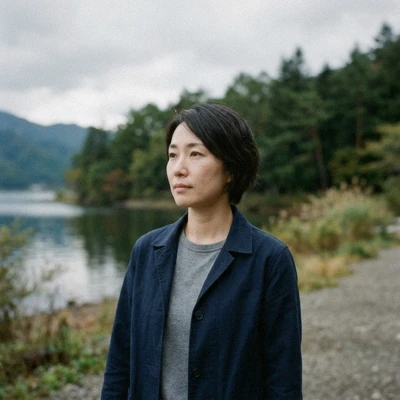
Two spots take almost every postcard photo of Mount Fuji: the flower beds of Oishi Park on the north shore of Lake Kawaguchi, and the red five-storey Chureito Pagoda on the hill above Fujiyoshida. This day trip strings both together, then adds the spring ponds of Oshino Hakkai, so you leave Tokyo in the dark and come back with the two frames people fly here for. It runs about 10 hours and costs $80 — one of the more photo-focused options among all the Mount Fuji day trips we compare.
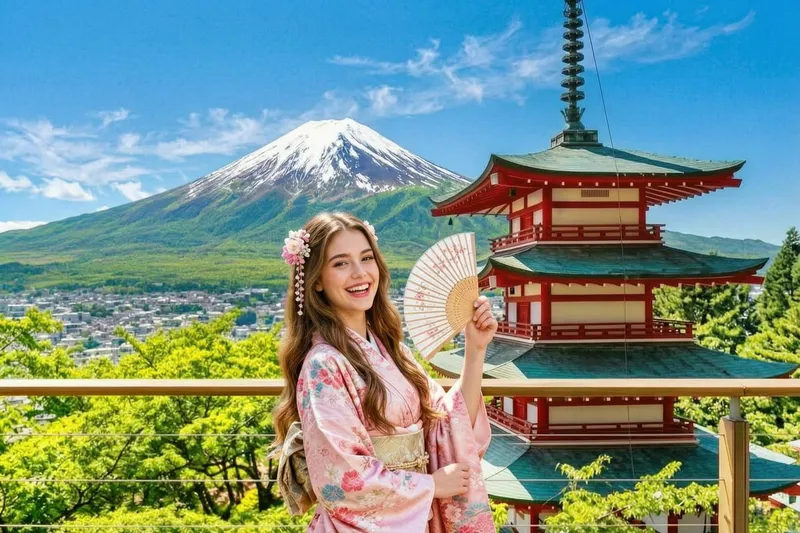
About the Oishi Park & Pagoda Tour
Cancel up to 24 hours ahead for a full refund
Oishi Park's flower beds and the Chureito Pagoda in one day
Round-trip from Tokyo, early start
Licensed local guide across every stop
Coach from central Tokyo and back
One of the region's best-rated photo tours
Check Live Availability & Prices
Real-time departure dates and prices for the Oishi Park, Chureito Pagoda and Oshino Hakkai day trip from Tokyo.
Why Book the Lake & Pagoda Tour
Most Fuji day trips scatter across five or six stops and give you a few rushed minutes at each. This one narrows the day to the two vantage points that actually define the mountain in photographs: the north shore of Lake Kawaguchi at Oishi Park, where Fuji rises straight across the water above bands of seasonal flowers, and the Chureito Pagoda on the hillside opposite, where the red five-storey tower sits in the foreground with the peak behind. Line those two shots up and you have covered the images almost everyone associates with Mount Fuji.
The trade-off is the price — at $80 it sits above the cheapest coach loops — and the reward is time and framing rather than a longer checklist. Oshino Hakkai's clear spring ponds fill out the middle of the day with a slower, quieter stop. If you would rather tick off six or seven viewpoints for less, the best-value six-spot highlights loop covers more ground; if the goal is the two classic frames done well, this is the tour built around them.
What You'll See
One long day, built around the region's two most photographed vantage points:
- Oishi Park on Lake Kawaguchi's north shore, with Fuji directly across the water
- The park's Flower Road — lavender in July, red kochia in autumn, cosmos in between
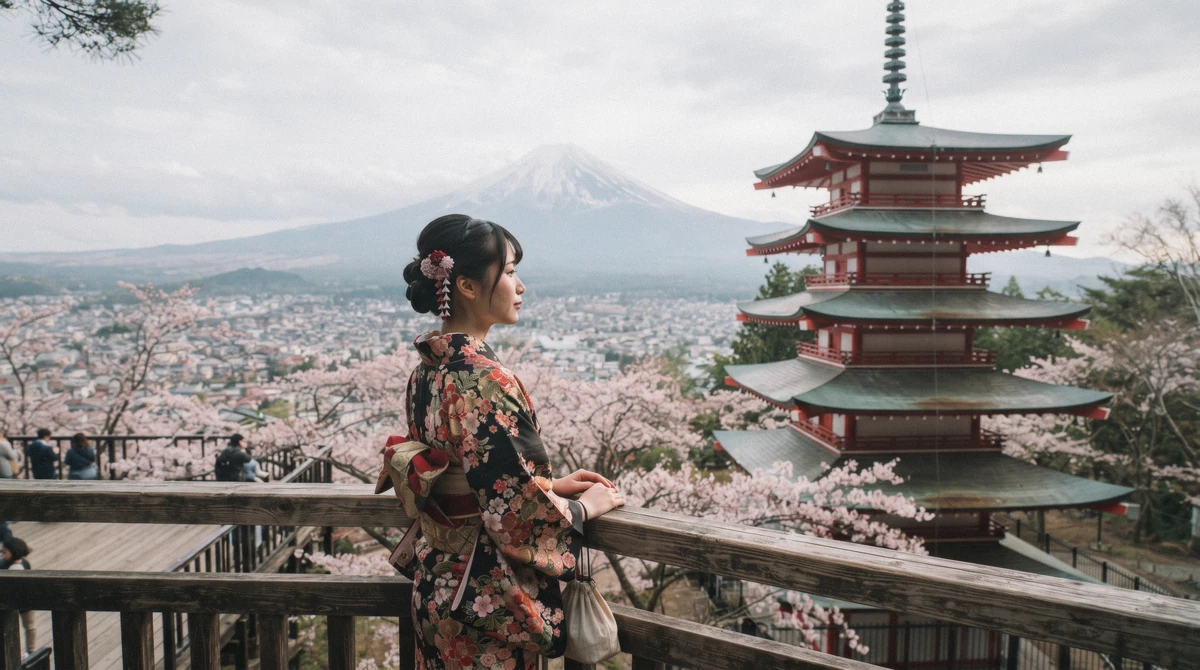
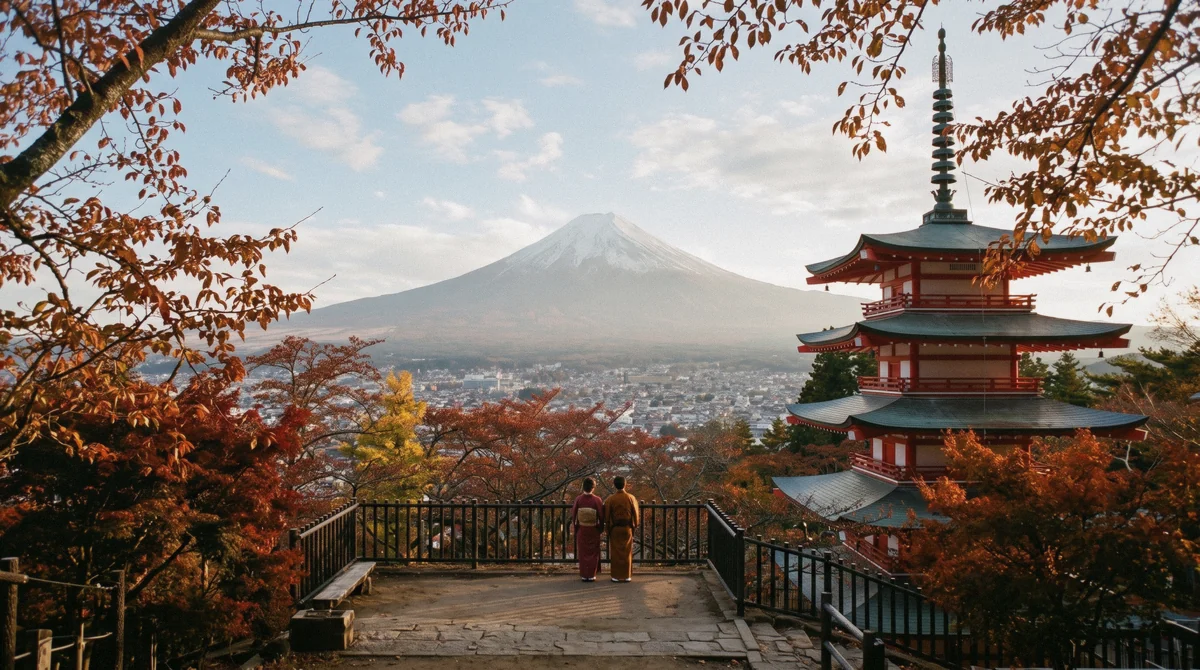
- The Chureito Pagoda, the red five-storey tower above Arakurayama Sengen Park
- The classic pagoda-and-Fuji frame from the viewing platform below the tower
- Oshino Hakkai, a cluster of eight clear spring-fed ponds fed by Fuji snowmelt
- Thatched-roof houses and mountain water so clear you can count the fish
What's Included (and What Isn't)
What's Included
- Round-trip transport by coach from central Tokyo
- Licensed English-speaking guide for the full day
- Guided time at Oishi Park, the Chureito Pagoda and Oshino Hakkai
- All highway tolls and parking
Not Included
- Lunch and drinks — usually free time to buy your own
- Hotel pickup — you meet at a set point near a major Tokyo station
- Personal spending at Oishi Park's Natural Living Center shop
- Travel insurance and any optional add-ons
How the Day Flows
-
08:00
Depart central Tokyo
Meet at the set point near a major station — often Shinjuku — and settle in for roughly two hours on the road toward the lakes.
-
10:15
Oishi Park, Lake Kawaguchi
First and best light of the day: Fuji across the water above the Flower Road. Walk the promenade, shoot the reflection if the lake is still, and browse the Natural Living Center.
-
11:45
Oshino Hakkai spring ponds
A slower stop among eight clear spring-fed ponds and thatched houses, with free time for lunch at the village stalls.
-
13:30
Chureito Pagoda
Climb the 398 steps (or the gentler side path) to the viewing platform for the red pagoda framed against Fuji — the day's signature shot.
-
15:00
Depart for Tokyo
Back on the coach for the return run, with a rest stop depending on traffic.
-
18:00
Arrive back in Tokyo
Drop-off near the morning meeting point, give or take an hour for evening traffic.
Important Things to Know Before You Go
The details that shape how this particular day goes.
- Fuji is shy: haze hides it for days in summer, and cloud usually builds over the summit by midday — the morning Oishi Park stop is your best window
- The Chureito Pagoda means 398 stone steps; a gentler winding path bypasses most of them and reaches the same platform
- The road to the lakes winds and climbs, so motion-sickness-prone travellers should sit forward and bring tablets
- Meeting is at a set point near a major station, not hotel pickup — check the exact spot on your booking
What to pack
- A warm layer — the lakes and hillside run cooler than Tokyo, even in summer
- Comfortable shoes for the pagoda steps and uneven stone paths
- Cash for lunch, village stalls and the Oishi Park shop
- A charged camera or phone; the light is sharpest early, and post-rain air is clearest
Insider Tips for Oishi Park & the Pagoda
Small things that make the difference between a good frame and a great one:
- Time your visit to the flowers: lavender peaks from late June to mid-July along the Flower Road, and the kochia beds turn crimson for roughly one week around mid-October.
- Shoot Oishi Park first and early — the north shore is far less crowded than the pagoda, and a still lake gives you Fuji mirrored in the water.
- At the Chureito Pagoda, tour buses start rolling in around 09:30, so the earlier your tour reaches it the shorter the queue on the platform.
- The best pagoda angle is from the viewing platform looking back at Fuji with the tower to your left, not from directly beside it.
- If your knees object to the 398 steps, take the gentler side path — it reaches the exact same viewpoint.
- Carry cash. Oishi Park's shop, the Oshino Hakkai village stalls and most small vendors around the lakes are cash-first.
Where You're Headed
Who Is This Tour Best For?
Aimed squarely at travellers who came for the photograph.
- Photographers who want the two definitive Fuji frames done properly
- First-timers who care more about the classic views than a long checklist of stops
- Flower-season visitors chasing the July lavender or October kochia at Oishi Park
- Anyone happy to trade a lower price for more time at fewer, better viewpoints
Not ideal for
- Travellers who can't manage stairs and don't want to use the side path to the pagoda platform
- Anyone set on the high-altitude 5th Station — that's a different tour
- Bargain-hunters, since cheaper multi-stop loops cover more ground for less
Lake Kawaguchi Oishi Park Tour — FAQ
What makes Oishi Park worth the stop?
Oishi Park sits on the north shore of Lake Kawaguchi with an unobstructed view of Mount Fuji straight across the water. Its Flower Road promenade changes through the year — lavender in July, red kochia in autumn — so the mountain always has a foreground of colour. On a calm morning the peak reflects in the lake, which is the shot most photographers come for.
How hard is the climb to the Chureito Pagoda?
The main route is 398 stone steps from the shrine torii up to the viewing platform, which is a genuine short workout. There is also a gentler winding path that bypasses most of the stairs and reaches the same viewpoint, so travellers with sore knees or small children still get the picture.
When is the best time of year for this tour?
For flowers, aim for the July lavender or the mid-October kochia at Oishi Park. For the clearest view of Fuji itself, late autumn through early spring has the driest, sharpest air. Whatever the season, mornings are far more reliable than afternoons, when cloud tends to gather over the summit.
Does the tour include Oshino Hakkai?
Yes. Between the two viewpoints the tour stops at Oshino Hakkai, a village of eight clear spring-fed ponds fed by Fuji snowmelt, with thatched-roof houses and free time to grab lunch from the local stalls.
How long is the day and where does it start?
The tour runs about 10 hours door to door, with roughly two hours of driving each way. You meet at a set point near a major Tokyo station rather than being collected from your hotel — the exact meeting place and time are on your booking confirmation, so check them the night before.
Will I definitely see Mount Fuji?
No tour can promise it — Fuji is famously cloud-shy, especially in hazy summer months. The tour visits the best vantage points at the best time of day to maximise your chances, and free cancellation up to 24 hours ahead means a poor forecast doesn't have to cost you.
What Travellers Say
Oishi Park in the morning was flawless — Fuji mirrored in the lake with the lavender out. Our guide got us there before the crowds and then up to the pagoda while the light was still good.
Long day but exactly the two photos I wanted. The 398 steps are no joke, though there's an easier path if you need it, and the view from the platform is worth every one.
Oshino Hakkai was a lovely surprise between the big viewpoints — the ponds are unbelievably clear. Well paced, friendly guide, and we were back in Tokyo by early evening.