Mt Fuji Photography Day Tour: Five Signature Viewpoints, Timed for the Light
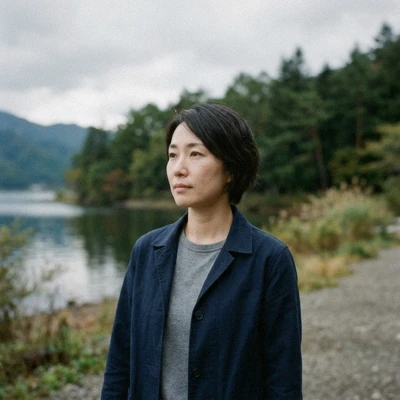
Most day trips to the Fuji Five Lakes stop wherever the schedule lands. This one is built the other way round — five signature viewpoints, including Arakurayama Sengen Park with its Chureito Pagoda and the spring ponds of Oshino Hakkai, each timed for the light and angle that put the mountain at the centre of the frame. It runs ten hours from Tokyo and costs $84. If you want to weigh it against the rest, compare the full range of Mount Fuji day trips before you book.
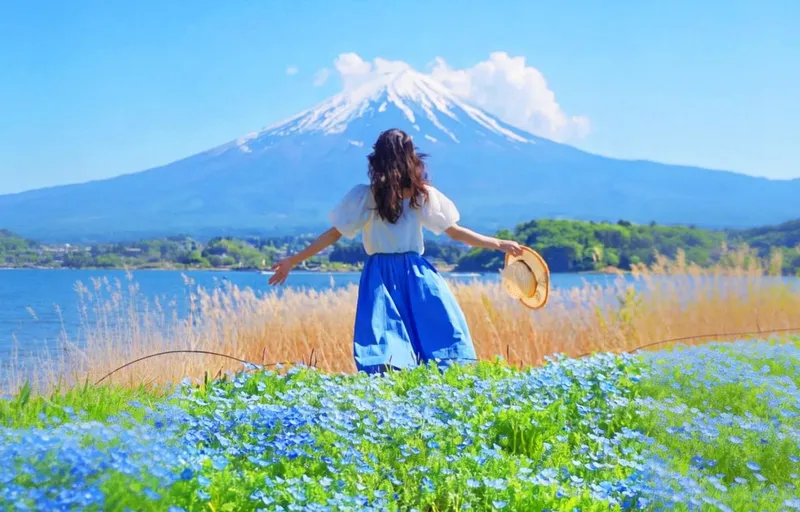
About the Photo Day Tour
Cancel up to 24 hours ahead for a full refund
Arakurayama, Oshino Hakkai and three more Fuji vantage points
Early Tokyo departure to catch the clearest morning light
Knows where each viewpoint's light falls at each hour
No car or driving — just carry your gear
One of the region's most-booked photo-focused tours
Check Live Availability & Prices
Real-time departure dates and prices for the five-viewpoint photo loop. Clear-view mornings in autumn and cherry-blossom season book out first.
Why Book the Photo Day Tour
The difference between a good Fuji photo and a forgettable one is usually timing, not gear. The mountain is clearest in the first hours after dawn and tends to vanish behind its own cloud by midday, so a tour that leaves Tokyo early and front-loads the best viewpoints is worth more than one that sleeps in and hopes. This loop is planned around that fact: it reaches Arakurayama Sengen Park while the light is still low, then works through Oshino Hakkai and the lakeshore vantage points before the haze sets in.
The other advantage is knowing where to stand. Arakurayama sits on Fuji's northern flank, which means you shoot roughly toward the sun for much of the day — a guide who knows the angle saves you fighting flare at the wrong hour. Across ten hours you cover five separate compositions rather than one long stop, so you come home with variety: the classic pagoda-and-mountain, still-water reflections, and the spring-pond village.
If you would rather trade photo focus for a shrine-and-lunch day or a Hakone combo, see how the other Fuji day trips compare.
What You'll See
Five distinct compositions across one day, each chosen for a different Fuji angle:
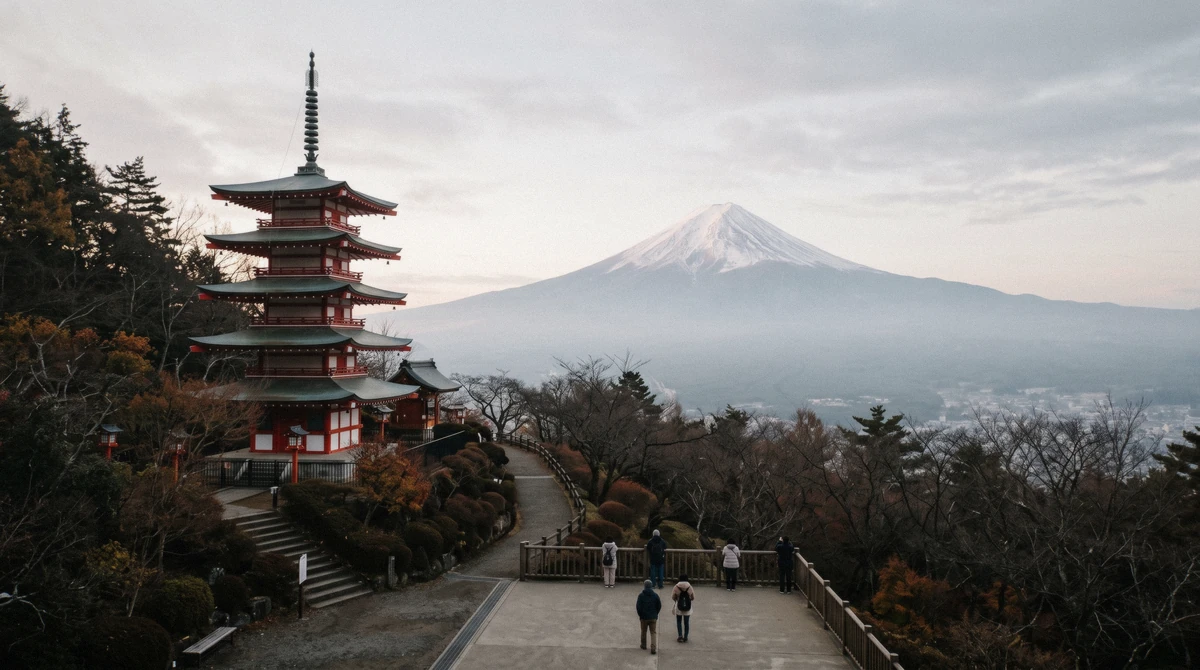
- Arakurayama Sengen Park — the Chureito Pagoda framed below Mount Fuji, the region's most photographed view, reached up 398 stone steps
- Oshino Hakkai — eight spring-fed ponds and thatched houses, best for still-water reflections on a calm morning
- Lake Kawaguchi shoreline — the widest, most reliable open view of the peak across water
- Oishi Park — Fuji beyond seasonal flower beds, lavender in summer and kochia in autumn
- A high roadside or lakeside vantage point for the closing shot as the light shifts
What's Included (and What Isn't)
What's Included
- Round-trip transport from central Tokyo by air-conditioned coach or van
- English-speaking guide who knows each viewpoint's light through the day
- Stops timed at five signature Fuji photo vantage points
- Free time at each viewpoint to set up and shoot
Not Included
- Lunch and drinks — bring cash, or eat quickly so you keep shooting
- Any camera gear, tripod or filters — pack your own
- Hotel pickup — most departures meet at a set point near a major Tokyo station
How the Day Unfolds
-
08:00
Depart Tokyo
Early meet near a central station and roughly two hours on the road, aiming to reach the first viewpoint before the midday haze builds.
-
10:00
Arakurayama Sengen Park
Climb the 398 steps to the Chureito Pagoda platform for the headline shot — pagoda, cherry or maple foliage in season, and Fuji behind. Low morning light and the clearest air of the day.
-
11:30
Oshino Hakkai
The spring-pond village, where still water on a calm morning gives a mirror reflection of the peak behind the thatched roofs.
-
13:00
Lake Kawaguchi & Oishi Park
Lunch stop, then the wide open view across the lake and Fuji beyond the seasonal flower beds at Oishi Park.
-
15:00
Final vantage point
A last elevated or lakeside composition as the light turns, before the drive back.
-
18:00
Return to Tokyo
Back in the city by early evening, memory card full.
Important Things to Know
The details that decide whether you come home with the shot.
- Fuji clouds over from midday most days — the early departure is the point, so do not skip it for a lie-in
- The lakes sit far higher and cooler than Tokyo; the peak can look clear from the city and be hidden by the time you arrive, or the reverse
- The Chureito Pagoda platform is 398 steps up, with no shortcut — factor the climb into your timing and energy
- In cherry-blossom (mid-April) and autumn-foliage (mid-November) season the pagoda deck gets shoulder-to-shoulder; the tour's early arrival is your best defence
What to pack
- A camera with a mid-telephoto lens — 70–200mm compresses Fuji and the pagoda so the mountain dominates the frame
- A wider 24–35mm for the pond reflections and flower-bed foregrounds
- A compact travel tripod for low-light dawn frames and sharp reflections — check the deck isn't too crowded to set it up
- A polarising filter to deepen the sky and lift the reflections at Oshino Hakkai
- Warm layers even on a mild city day, plus spare batteries, which drain faster in the cold
Insider Tips for Better Fuji Photos
Small things that separate a sharp keeper from a hazy snapshot:
- Shoot the pagoda first thing — visibility is highest just after sunrise and the peak most often clouds over before noon.
- Because Arakurayama sits on Fuji's north side, you shoot toward the sun by day; get there early while the light is still low and side-on, or accept some flare and work it into the frame.
- At Oshino Hakkai, wait for the wind to drop for a minute or two — a flat, still surface, not a perfect sky, is what makes the reflection.
- A polariser cuts glare off the pond water and deepens a pale winter sky; rotate it while looking through the viewfinder to find the sweet spot.
- Mid-April cherry blossom and mid-November maples give the pagoda foreground; winter trades the colour for the clearest air and the crispest snow-capped peak.
- On the crowded pagoda deck, keep your tripod footprint small and be quick — everyone is chasing the same frame, and the guide's schedule waits for the coach, not your bracket.
Where You're Headed
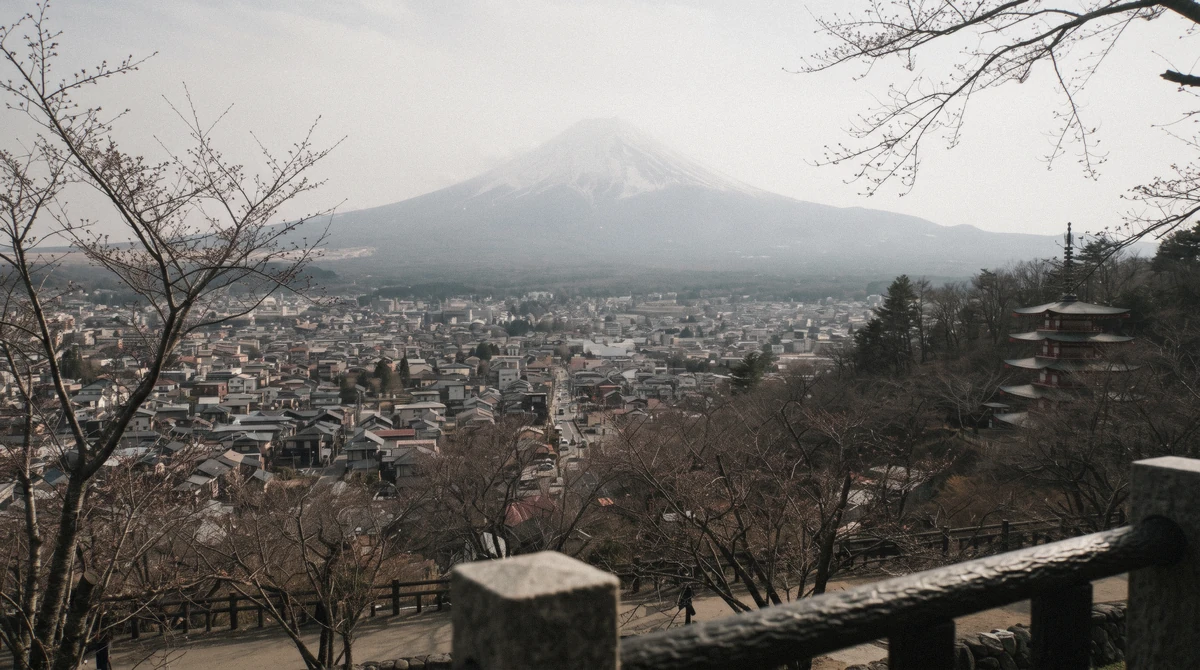
Who Is This Tour Best For?
Built for people who came for the photos.
- Keen photographers who want variety — five compositions in a day, not one long stop
- Anyone chasing the classic Chureito Pagoda and reflection shots without renting a car
- First-time visitors who want the headline viewpoints timed for the best light
- Travellers happy to start early and move at the light's pace rather than their own
Not ideal for
- Those who want a slow, single-sight day — this loop keeps moving between viewpoints
- Anyone who can't manage the 398-step climb to the pagoda platform
- Travellers set on the 5th Station or a Hakone combo — those are separate tours on our comparison list
Mt Fuji Photography Day Tour — FAQ
What are the five viewpoints on this tour?
The loop is built around Arakurayama Sengen Park (the Chureito Pagoda view), the spring ponds of Oshino Hakkai, the Lake Kawaguchi shoreline, Oishi Park's flower-bed foreground, and a final elevated or lakeside vantage point as the light shifts. Each gives a different angle on Mount Fuji so you come home with variety rather than one repeated frame.
What time of day is best for photographing Mount Fuji?
Early morning, just after sunrise. Visibility is highest before the day warms up, and the peak most often disappears behind its own cloud by midday. That is why the tour leaves Tokyo early and reaches the Chureito Pagoda first — the headline shot is easiest with the clear, low light of the first hours.
Can I bring a tripod?
Yes, and a compact travel tripod is worth packing for dawn frames and still-water reflections. Just be ready to keep your footprint small on the Chureito Pagoda deck, which gets crowded in blossom and foliage season, and to move on with the group's schedule.
How many steps to the Chureito Pagoda?
There are 398 stone steps up to the pagoda and the viewing platform above it. There is no shortcut or lift, so allow time and energy for the climb — it is the reason the classic view sits where it does, looking down over the pagoda to the mountain beyond.
What's the best season for this tour?
Mid-April brings cherry blossom around the pagoda and mid-November brings red maple foliage — both give a strong seasonal foreground. Winter trades that colour for the clearest air and the crispest snow-capped peak. Summer is the weakest for the mountain itself, when haze often hides it for days.
Do I need an expensive camera?
No. The compositions here work on anything from a phone to a full-frame body. A mid-telephoto lens around 70–200mm helps compress the pagoda and Fuji together, and a polarising filter lifts the pond reflections, but the timing and viewpoints — which the tour handles — matter more than the kit.
When is Mount Fuji most likely to be clear for photographs?
Late autumn through early spring is the clearest stretch of the year at the lakes, and the first hours after sunrise are more reliable than the afternoon, because cloud builds over the cone as the slopes warm. The month-by-month picture, drawn from the Japan Meteorological Agency record, is in the best time to visit Kawaguchiko.
What Photographers Say
We hit the Chureito Pagoda just after it opened and Fuji was razor-sharp before the cloud came in. Five stops meant five completely different shots — the reflection at Oshino Hakkai was my favourite of the whole trip.
The guide knew exactly which way the light fell at each viewpoint and got us to the pagoda first for a reason. Worth the early start and every one of those 398 steps.
I came for photos and left with a full card. Loved that they timed the morning around clear views rather than dragging it out — the light was gone from the peak by lunch, just as they warned.